Reflections, images and talk slides from the first Wild Essex Imaginarium on 27th Sept 2025, at the Essex Business School (EBS), University of Essex.
First Wild Essex Imaginarium
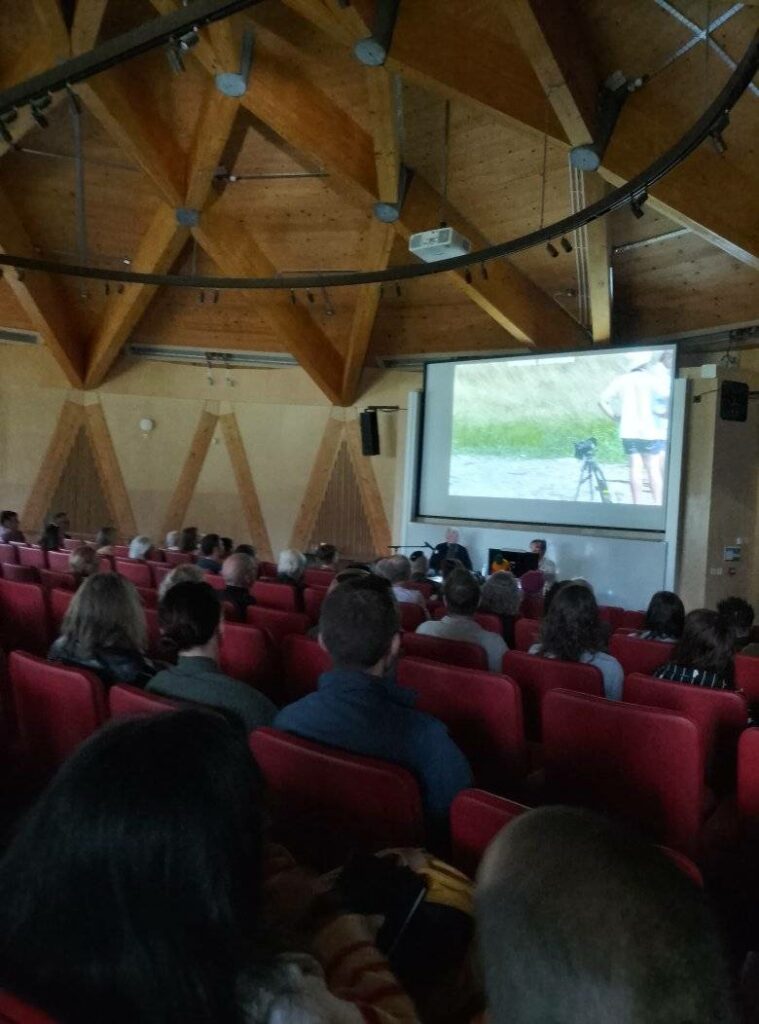
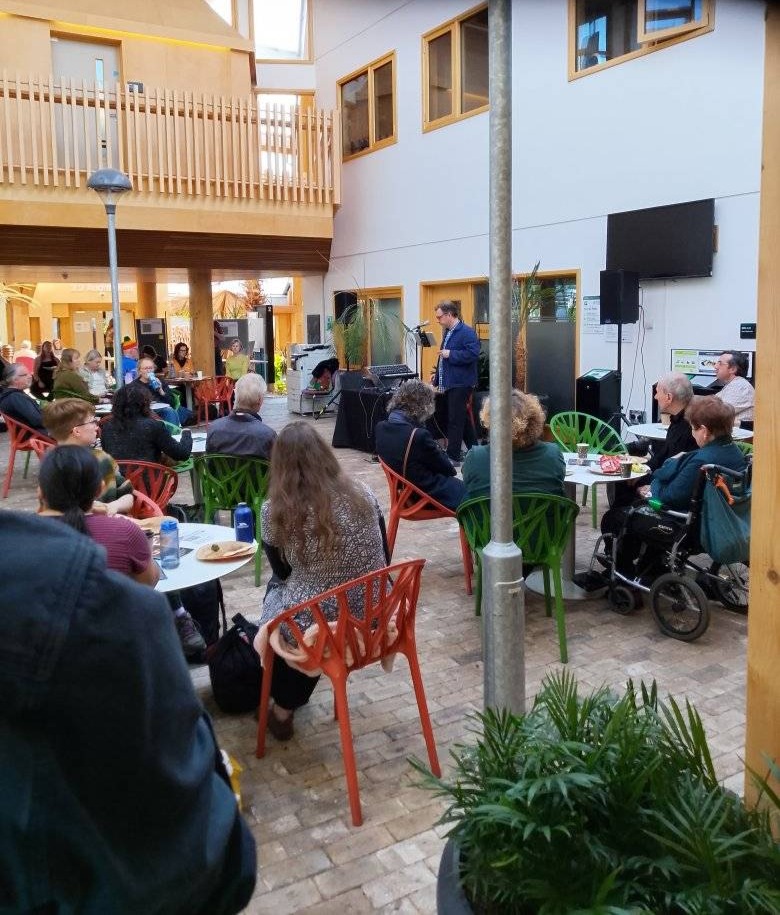
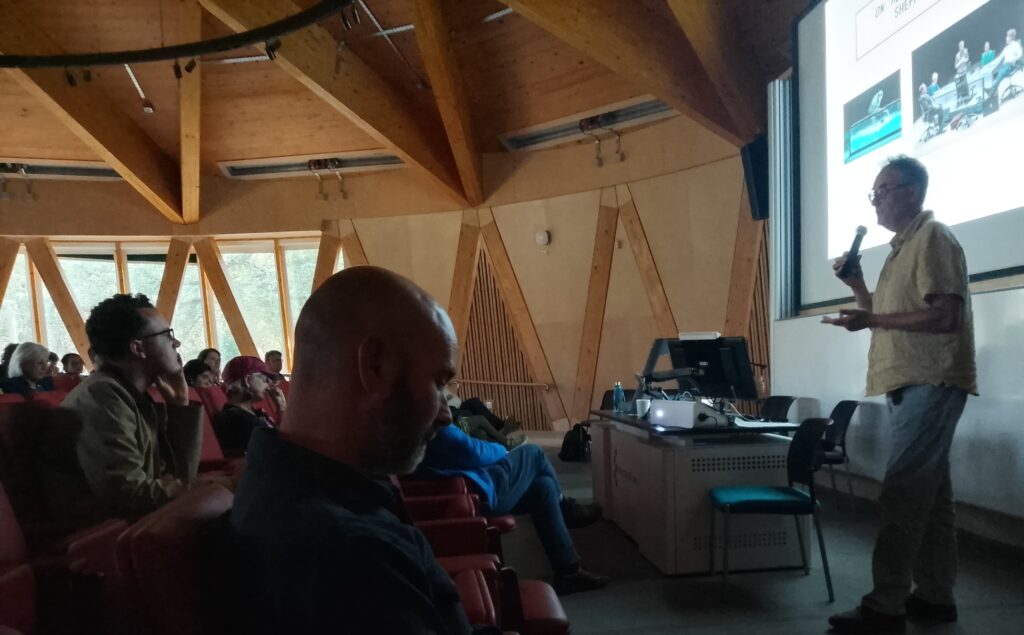
On Saturday 27th September, 2025, over a 100 attendees, speakers, and performers gathered together in the Essex Business School’s (EBS) Auditorium (University of Essex) for the first Wild Essex Imaginarium.
Programme
Welcome by Giles Tofield
Tony Sampson (key concepts)
Tom Cameron (framing the science)
Three Critical Concepts for the Wild Essex Imaginarium
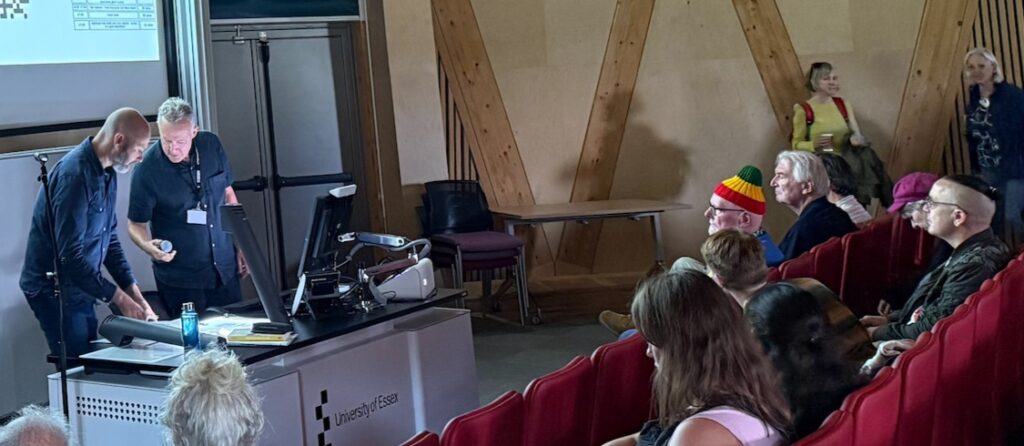
Tony Sampson (University of Essex) framed the symposium around three critical concepts, which are, he contended, not fixed frameworks, but provocations intended to help orient the conversations of the Wild Essex Imaginarium. These are not a conceptual toolkit, yet. They are hackable concepts.
- Emotional Geography: Leveraging Feelings About Place. Drawing on previous CERG research, Tony emphasised that people are often enchanted by their natural environments. It is not abstract policies alone that reshape place, people or culture, but the affective attachments people develop to the places where they live. Referring to what Raymond Williams described as structures of feeling, he suggested that feelings can function like a river. These analogous flows of feeling produce meandering experiences that continually reshape culture.
- Mezzo Level Response to Local Government Devolution. Tony then turned to the interplay between macro- and micro-level dynamics, situating the Imaginarium at the mezzo level – not so much a middle, but a point of assemblage. He noted the anticipated post-devolution gap between macro politics and micro-level communities. But instead of focusing on the negatives, we need to see this as an opportunity. The potential emergence of new ecosystems of collaboration that could bring together parish councils, anchor institutions (such as universities), artists and galleries (like the Minories), environmental organisations (EWT), activists, local businesses (Beth Chatto Gardens, Red Lion Books, Colchester’s co-operative traditions), and cultural CICs. Together, these mezzo-level actors need to form new ways of engaging with local governance and policy.
- Announcing The New Faculty of the Imagination — The Imaginarium. Finally, given that the climate debate increasingly coincides with political struggles for the control of perception, Tony proposed the idea of a new faculty of the imagination. The Imaginarium, he argued, is a creative space for aesthetic experimentation, where new enchantments can emerge. Along these lines, creative practices may challenge and transform perceptions of nature and policy, and encourage community engagement (emotional, affective, and cognitive) and open alternative creative modes of communicating and helping to realise policy objectives.
Throughout the symposium, Tom Cameron, from the University of Essex’s School of Life Sciences, offered a series of challenges, provocations, and practical actions. He also highlighted several key points of convergence between the arts and sciences. Presciently, Tom urged the Wild Essex Imaginarium to articulate more clearly what it means by “wild.” Across the event, the notion of wildness appeared in multiple and sometimes conflicting forms. Participants heard about people living with managed wild rurality (for instance, Steve Waters on farming) and about the urban wild (David Gates on Beth Chatto’s Meanwhile Garden), both of which invite comparison with nonhuman and ecological understandings of what it means to be wild.
Following Lora Aziz’s act of welcoming nature (literally bringing the outside in from Wivenhoe Park to the human space of the EBS Auditorium), Tom reflected on human culture’s persistent tendency to tame and “tidy up” the wild, in contrast to the inherent messiness and vitality of nature itself. He also echoed Rich Yates’s (EWT) important reminder that conservation is not, and has never been, only a science.
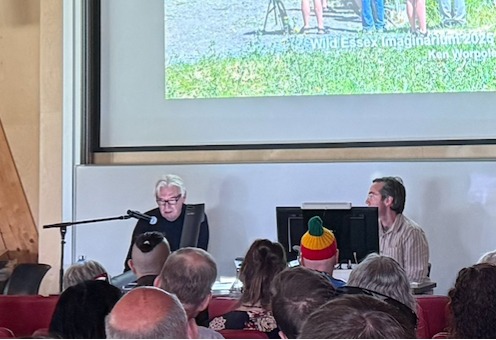
Keynote: Ken Worpole with Tim Burrows
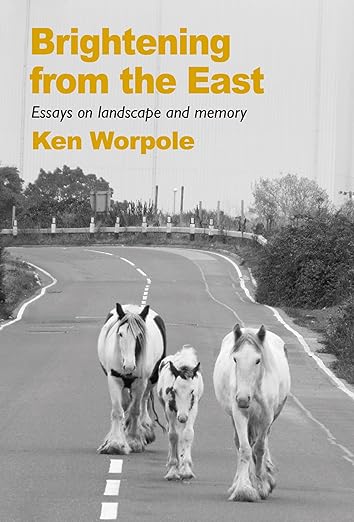
Ken Worpole set the scene with a talk exploring many different ‘experiments in living’, drawing from his recently published ‘Brightening from the East’. He explored how East Anglia has provided fertile (and challenging) ground for self-sufficiency and back to the land communities; with an emphasis on experimentation and living in partnership with the land. The case was made that without the many pioneers, ‘crackpots’ and ‘pranksters’ nurturing ideas across Essex in particularly (in places like Hadleigh, Frating, Wickford and Mayland) then progress toward the social revolution that led to many rights we enjoy today – as well as influence over contemporary environmental movements – may have been a lot slower.
Questions over whether there are similar living experiments today, there was reflection on how the spirit of experimentation needed to be embedded ever more in policy (planning, transport, environment), and how there were opportunities for communities to engage in processes that could articulate and help set a framework for progressive. Tim Burrows talked about the plotlands in South Essex and the changing attitudes towards the environment and nature in Essex and how there is still much to learn from the recent past.
Specially commissioned work by Alien
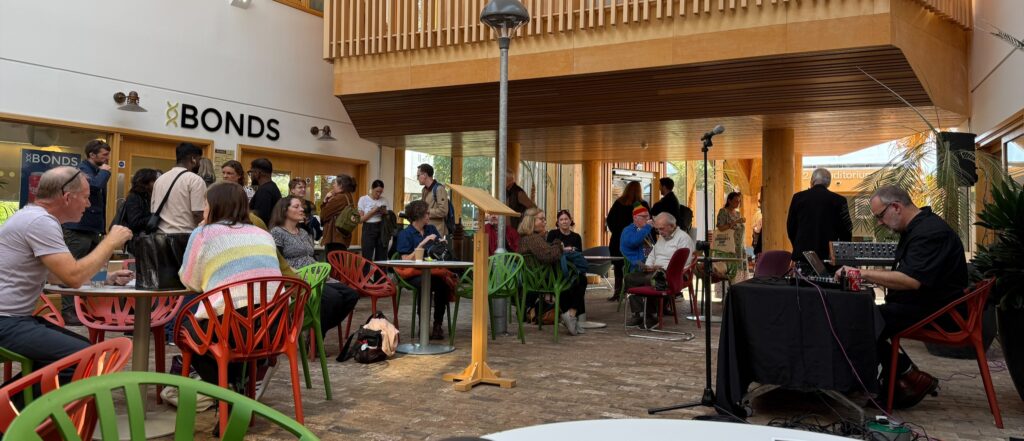
First Panel: Nature Poetry from the Global Majority: Mona Arshi and Karen McCarthy Woolf in Conversation with Jos Smith
Creative Responses to the Climate and Biodiversity Crises
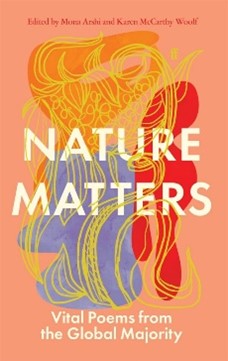
Leading poets Mona Arshi and Karen McCarthy Woolf are the editors of Nature Matters: Vital Poems from the Global Majority, published by Faber earlier in 2025. This is an anthology which ‘invites us to reconsider the nature poem in this first quarter of the C21st from global majority perspectives’. The poets began by talking about their own practice. Mona spoke about a residency she undertook at Norfolk Wildlife Trust’s Cley and Salthouse Marshes where she began thinking about the nature poem in the context of her own cultural roots as the child of an Indian Sikh family from Punjab. She also found herself thinking about the significance of wildlife in a site that is so carefully managed by human interventions of various kinds. Karen spoke about her longstanding interest in ecopoetics, and how we sometimes find ourselves faltering today when we turn to nature for consolation in times of grief; in fact, it is often at such moments of intensity that we are forced to confront the damage that humans have inflicted on the world around us.
When we spoke about the anthology, they discussed the way poets of colour in the UK have been overlooked in what they have to say about nature and ecological crises as they are perhaps too narrowly read for themes relating to identity. They drew attention to poems in the anthology that made more visible the links between environmental histories and colonialism, especially in the Caribbean, through the work of Malika Booker and Kei Miller. They also discussed non-western environmentalisms such as the Chipko Movement in India, often marginalised by Western histories of environmentalism. When asked what role poetry had to play in the space between the arts and conservation, Mona suggested the value of ‘radical listening’ and ‘storification’ (recovering the way landscapes, plants and animals are always involved with contexts, with stories, that exceed what we see on the surface); Karen questioned the terms of the question as potentially extractivist in its thinking, suggesting that we might think of poetry in less instrumentalist terms. The poems that they read were complex, powerful and intricate. They did not have straightforward messages but rather provoked questions and invited a variety of responses.
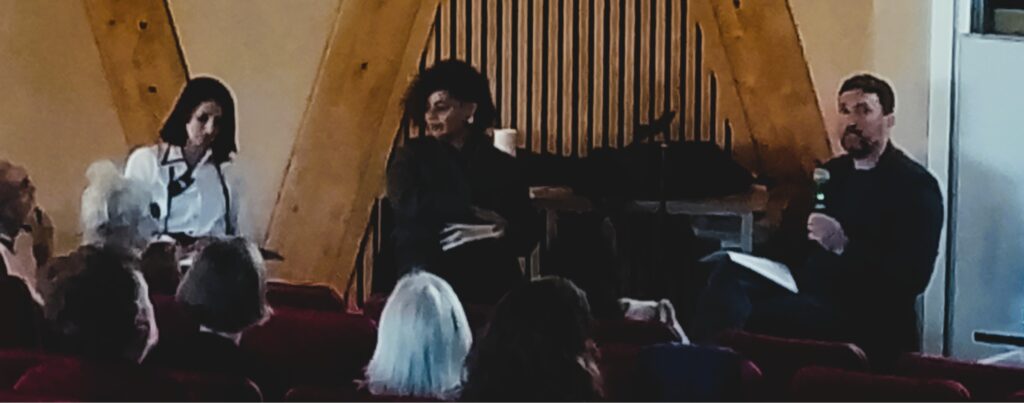
Poetry and Performance by Justin Hopper
Second Session on Creative Methodologies
Our second panel, chaired by Dr. Andrew Branch showcased Essex-based artists Lora Aziz and Jessica Pearce. Their presentations powerfully illustrated how artistic practice can act as an effective creative method for engaging communities. Lora showed how her co-creation work empowers communities to use nature as both a sustainable resource and as a stimulus for cultural memory. Jessica, in turn, captivated attendees by demonstrating how invoking both ancient and modern folklore can connect people to their natural surroundings through grassroots, ‘bottom-up’ storytelling that forges potent new myths. In the post-presentation discussion, both speakers stressed the critical need to open artistic opportunities to a wider diversity of voices, especially those for whom the arts are neither a form of habitual practice, nor a space to feel heard.
Creative methodologies, and a reimagining of our relationship to the living world by Lora Aziz
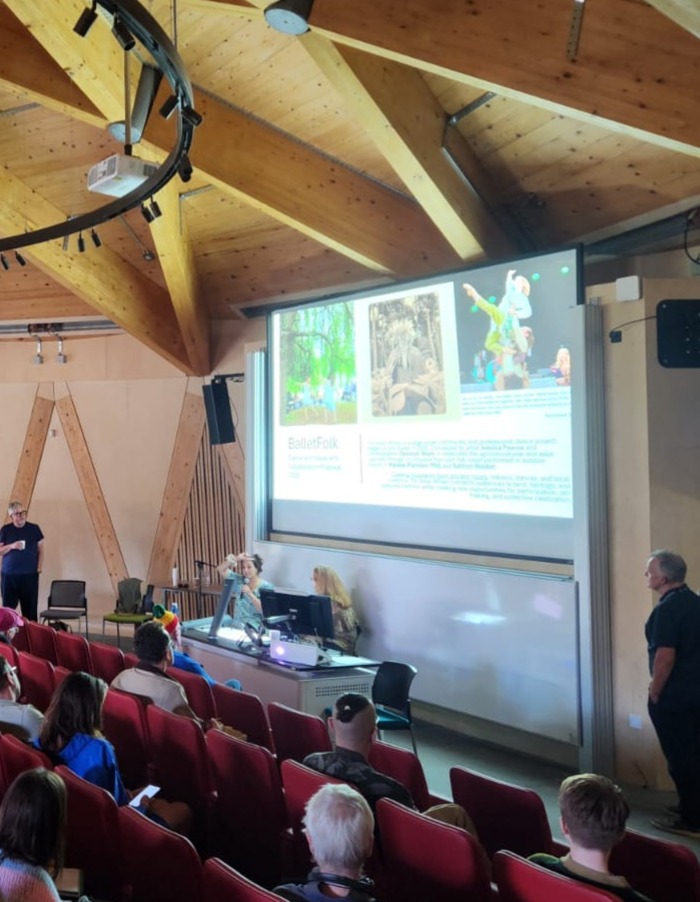
Legendary Essex Folklore, celebrating land and shared stories of place by Jessica Pearce
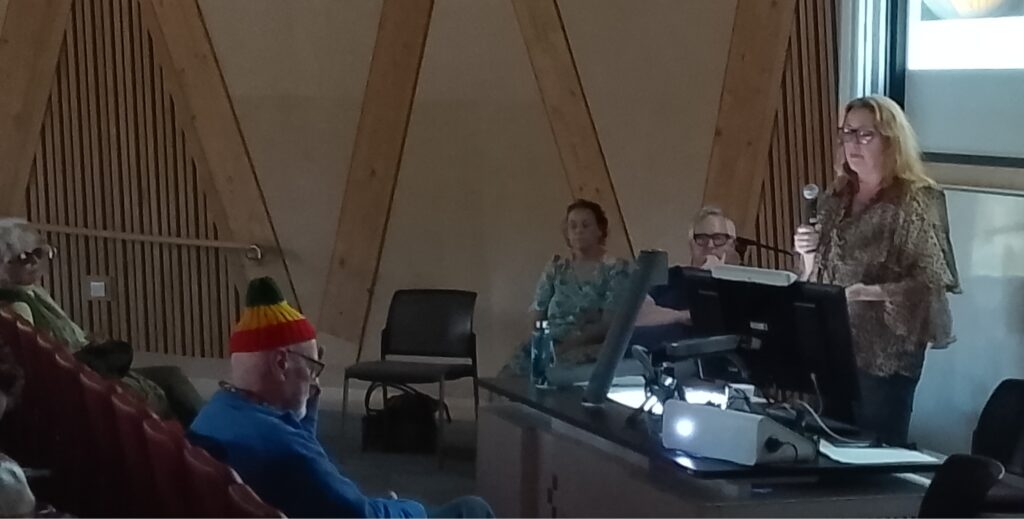
Policy and Practice. Influence and Change with Steve Waters on Drama, New Spaces, Audiences and Environmental Policy, Rich Yates (Essex Wild Life Trust), Emma Howe (Minories Gallery), and David Gates (Beth Chatto)
Steve Waters directly addressed the Imaginarium’s core themes, talking through a creative journey of dramatic and theatrical engagement with climate change. Starting with the task of persuading theatres that there was a need to address climate change, reflecting on audience reach (who attends?), how the themes of a play about the environment and climate have changed between 2009 (might happen) through to 2022 (happening), while also recognising the problems of confronting audiences with issues that might be ‘too big’ (need to develop a process of reflection after performances). He considered how developing new drama exploring climate change and its impact on agriculture has been staged on farms in front of farmers, policy makers and activists (reversing a 500 year process of moving theatre ‘inside’), and how this can ‘change the conversation’ if not policy (at least not directly).
Essex Wildlife Trust CEO Rich Yates introduced EWT as a large environmental charity which is open to creative collaboration. His core argument proposed that ‘conservation is not a science’ (or at least not only a science), and that it will only succeed through an ongoing multi-disciplinary process that includes creative input and leadership. The Trust’s ownership of Bottengoms (home of Ronald Blythe) has opportunities for a collaboration with nature, a legacy of creativity and decades of insights into environment and rurality to build into a comprehensive ongoing programme – a challenge that connects strongly to the Imaginarium. Rich also proposed the Local Nature Recovery Strategy be a ‘muse’ for creatives.
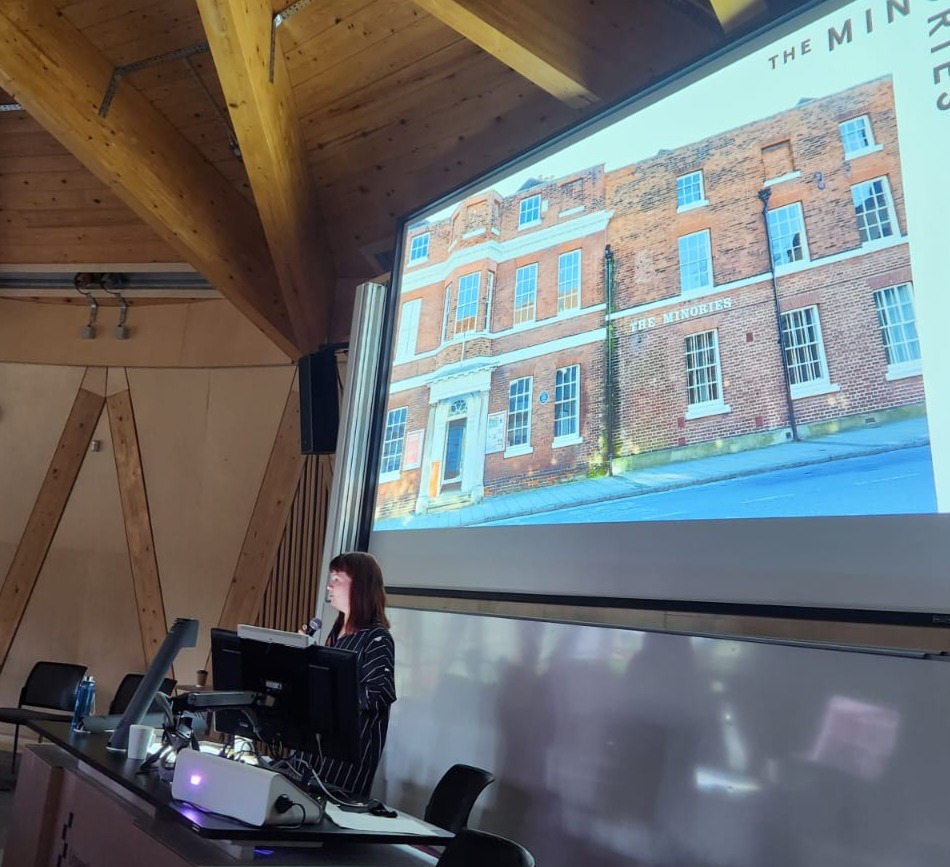
Emma Howe discussed the emotional connection that communities in Colchester have had to the Minories for decades, and considered how this can provide an opportunity for direct involvement with broader nature recovery across the city. The Minories provides an urban oasis for wildlife as well as a creative collaborative space at the heart of Colchester’s cultural life. Emma and her team are determined to ensure an environmental leadership role and influence over environmental engagement and policy. Arts leading the way.
David Gates was representing Beth Chatto Gardens and was focusing on the Meanwhile Garden project in Colchester, an education and public outreach programme by the organisation. The concept of ‘disturbance’ was particularly interesting, with local people providing this necessary process through informal public use (including skateboarding). Beth Chatto’s commitment to inclusive outreach and collaborative demonstrator projects provides real and achievable examples for the climate and urban planning challenges we face.
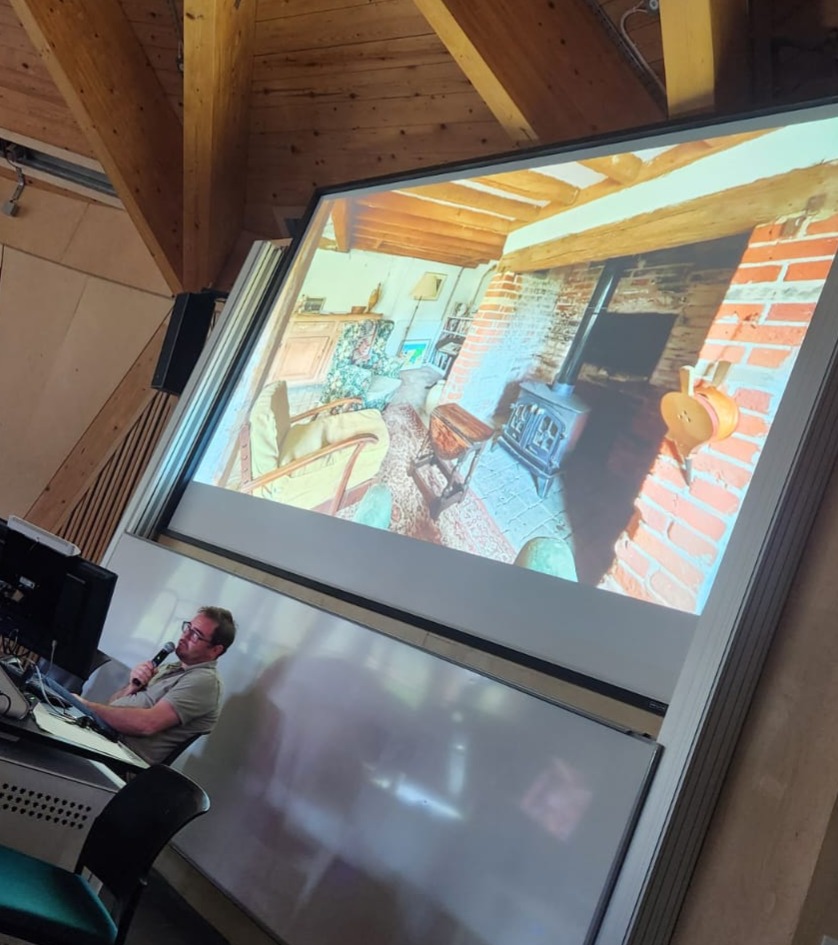
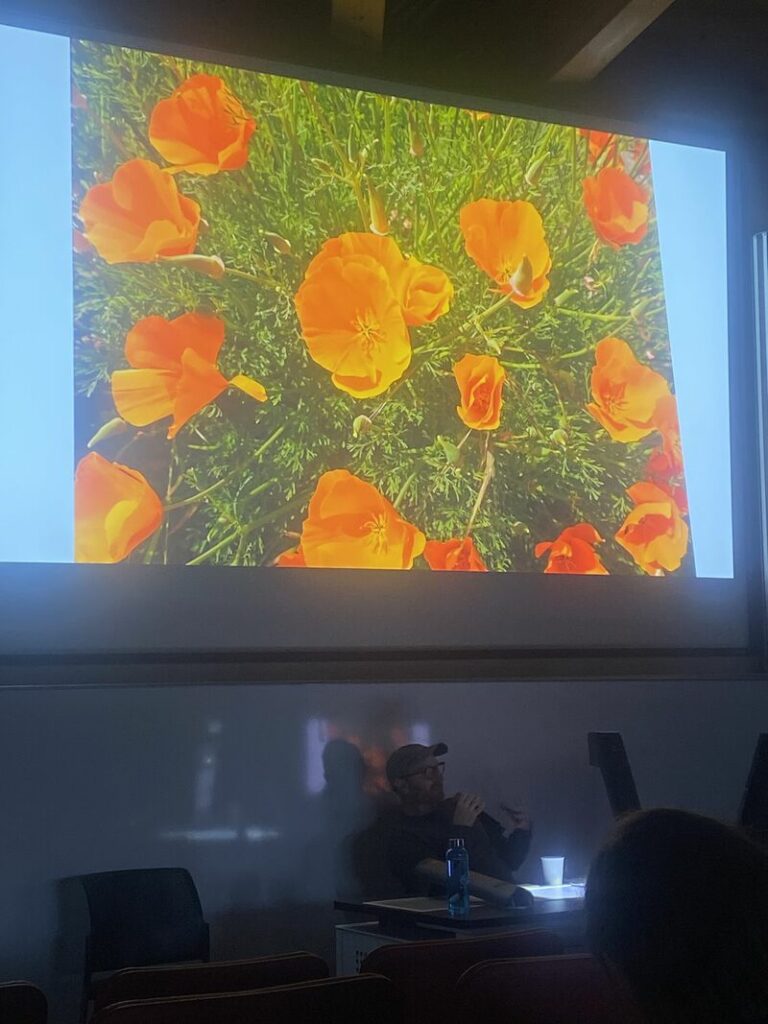
See more information on Beth Chatto’s Meanwhile Garden
Reflective Commentary by CERG
The Imaginarium creates a politically necessary forum to unite activists, community groups, academics, policy makers, and the intellectually curious. It offers a critical exploration of how our most urgent environmental issues might be tackled by encouraging dialogue between the arts and the ‘hard’ sciences, with each field having much to offer the other in terms of knowledge acquisition and method. A key focus is the challenge of how institutions dedicated to change can connect with people and communities who do not typically see universities as accessible spaces. In this regard, the model of the university as an anchor institution – one that is fundamentally outward-looking and engaged, rather than insular – appears to be essential.
The day was concerned with what might be learned about the way in which conservation and the arts can be brought into fruitful dialogue to serve a response to the ecological crises we face, especially in the Essex landscape. Listening to the different talks across the day, I was struck by an intriguing tension in the different ways that the arts and the sciences approach a common problem: how to engage and inspire people into action – local democracy, environmental citizenship, community dialogue etc. Tom Cameron was very helpfully clear at the beginning: we know what has to be done already, he said, we just have to communicate that more effectively to engage people (I paraphrase).
In the arts, engaging the attention of an audience is a complex task that does not rely solely on clear, unambiguous messaging. On the contrary, it is often in its ambiguities and speculations that audiences are most engaged by art in lasting ways. What does the art open up for me, the audience might ask? From hawthorn trees and ecotourism on Mount Sinai (Lora Aziz) to colonial histories of mahogany furniture (Malika Booker) to parallel agricultural futures in a climate changed world (Steve Waters), the different panels surprised and stimulated the audience in memorable ways. In such work, we are drawn into tensions, possibilities and questions that hold us and provoke us to respond, to make sense of the work, and in making sense of the work we are making sense of the world.
How do we bring these two different priorities, these two different practices, into a productive and genuinely collaborative dialogue? There is no straightforward answer to this question, but the stimulating possibilities that it provokes are precisely the next steps we wish to take with the Wild Essex Imaginarium.
Overall the Imaginarium provided an apparently ‘much needed’ critical space in which to explore the potential (and necessity) for the creative and heritage sectors to impact the way communities cross East Anglia relate to nature (and help to create the conditions for action); and who is likely to listen and engage now and in the future. Leading to many participants stating that they had ‘never been to an event exploring these issues before’. This is not to suggest that there is some great new insight at the heart of the Imaginarium – as creatives for 1000s of years have always engaged with environmental themes. Rather the key questions are about impact – the ability to communicate through stories and emotional connection, stimulating and inspiring action through an ongoing and dynamic “mezzo-level” collaboration across academia, cultural/heritage, charities, statutory and community partners. This is what we must now continue to do across East Anglia.
Another recurring theme that resonated throughout the symposium was a shared concern about the influence of the “impact” agenda on artistic practice. Playwrights and poets alike appeared acutely aware of how the demand for demonstrable impact can instrumentalize creativity and constrain artistic freedom. In short, being impactful in an institutional or policy sense does not necessarily equate to aesthetic or cultural achievement. Going forward, the Imaginarium will need to weigh these tensions carefully and provide creative practitioners with ways to explore their own modes of expression – new ways that reach meaningfully into the climate debate without being squeezed into the bland templates of “impact-driven” expectations.
More broadly, the symposium emphasised the value of experimentation as both a method and a sensibility. From Tony Sampson’s initial framing of aesthetic experience as experimentation, through Ken Worpole’s evocative examples of “experiments in living” across Essex, to the experimental methodologies of Essex-based artists Lora Aziz and Jessica Pearce, experimentation emerged as a point of productive convergence between art, nature, and science.
As Tom Cameron noted throughout the proceedings, this convergence is rich with possibility. Indeed, art and nature often seem to draw their experimental impulse from similar sources – whether mimetic (art imitating nature) or cathartic (enabling emotional and affective connection to place). Yet, the experimental modes of art and science can also appear to diverge. Crudely put, scientific experimentation can be typically organised through a subject–object relation, with the scientist positioned outside, testing or observing. Artistic experimentation, by contrast, tends to emerge from within, and immersed in the textures and contingencies of the world it engages. Idealistically perhaps, the artist disrupts or even dissolves this subject/object distinction altogether.
Looking ahead, the Wild Essex Imaginarium (and a more expansive East Anglian Imaginarium) will need to find novel ways of bringing these two modes of experimentation into dialogue, or of imagining new forms through which they might productively cohabit the struggle over how climate change is perceived, narrated, and felt.
It is possible to purchase most of the books referenced by our speakers through Red Lion Books